ORIGIN OF JANTEDHUNGA/ DAHYALUNG(Myth)–PRAVEEN PUMA
In ancient period, Saruklihong once ruled over Fema.¹ He had a daughter named Fengma, who was exceptionally beautiful. Many people wished to marry her. Golpahang was among them. Saruklihong agreed to give Fengma to Golpahang, and they arranged the marriage.
Golpahang then came to Saruklihong’s palace with his wedding party.² The preparations began according to Mundumi customs and cultural traditions. Fengma, however, had her own decision. She declared, “While I am dancing at this wedding, I will throw this handkerchief to the person of my choice. I will marry that person. I will not marry anyone else.”
Everyone accepted her condition. They assumed that Fengma would throw the handkerchief to Golpahang. But she did not. While dancing, she threw it to another young man. Everyone was astonished. Yet Fengma’s decision was respected, and preparations began for her marriage to that young man at Pathibhara village.
Golpahang could not accept what he saw. Another man was about to marry Fengma before his eyes. In anger, he drew the Dade from his waist and severed the young man’s neck. Blood covered the wedding place. Fengma could not bear the violence and fled. Everyone searched for her, but she could not be found.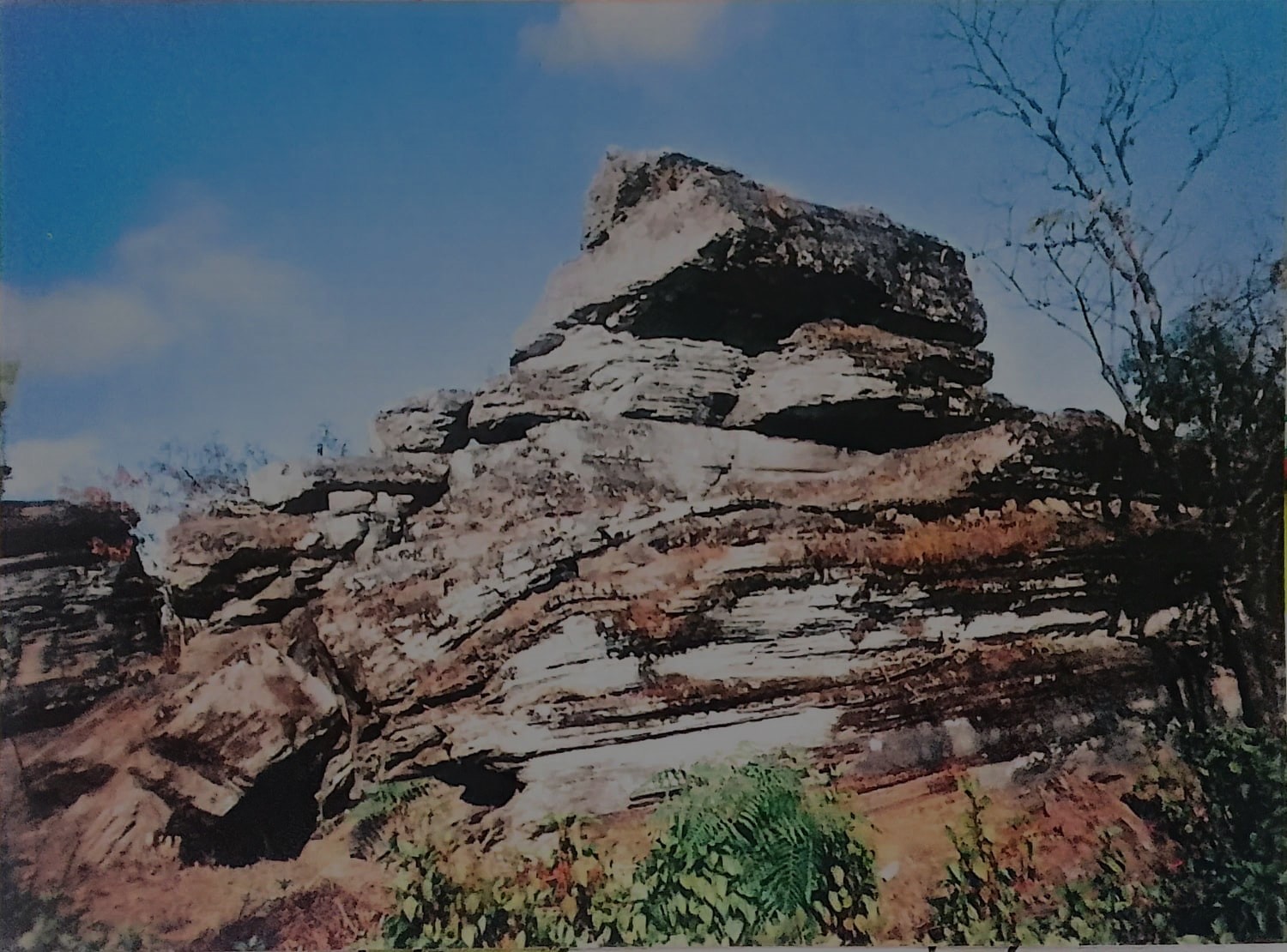 Figure 2. JANTEDHUNGA HOLY PLACE, Located at Jantedhunga–5, Khotang, Nepal. Photograph: Praveen Puma, 1997.
After Fengma disappeared, the wedding party went to the summit of Pathibhara village and stayed there for the night. Then Golpahang saw Fengma at the summit of Bhanumati. It was already late. He remained there through the night, watching over her.
At dawn, Golpahang went to Fengma. They then continued toward their palace. Lokende; assistance friend of bride, Lokandi; assistance friend of bridegroom, the porters, and the wedding party followed behind them.
From the sky, Sumnima–Paruhang watched the entire marriage event. Paruhang did not approve of Golpahang taking Fengma away. The Negiyar⁵ suddenly produced a loud and inauspicious sound on the musical instrument. Paruhang became furious. An inauspicious sound had disturbed an auspicious moment.
Then everything changed. The sky turned dark. A violent wind began to blow. Lightning flashed, and thunder struck. At that very moment, the bridegroom, bride, Lokende, Lokandi, the porters, and the wedding party turned into stone.
This is how the oral tradition explains the origin of Jantedhunga. The people in the story did not simply disappear. They became part of the landscape. Their journey, their belongings, and the places connected with them remained in stone. The land itself became a memory of what had happened.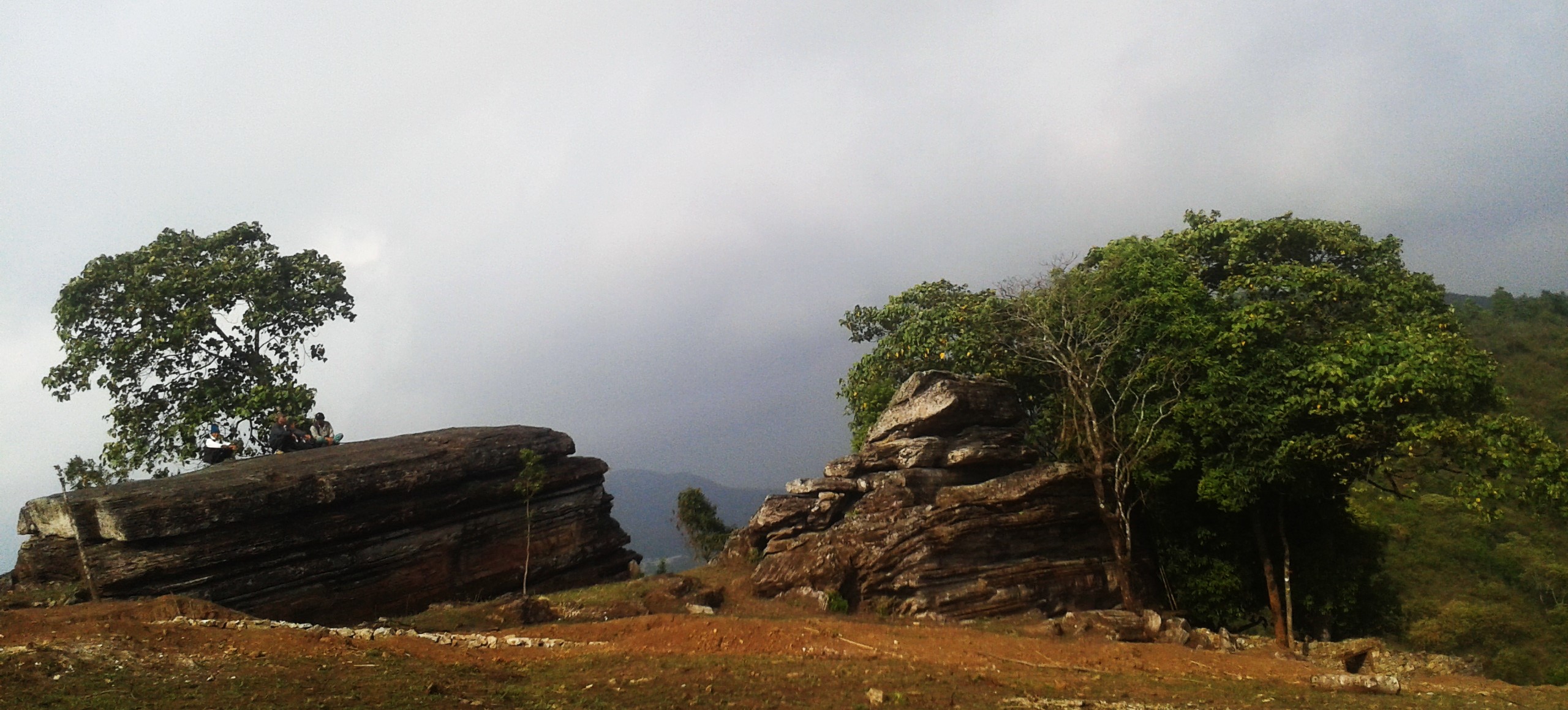 Figure 3. Ancestral origin site of the Puma community, Jantedhunga–5, Khotang, Nepal. Photograph: Praveen Puma, 2015.
The place where the bridegroom and bride became stone is called Golpahang–Golpahangma Bhir , which lies in Bhojpur district of Nepal and Sittong-3 Darjeeling, India. Their stone forms can still be seen and touched. The stones associated with Lokende and Lokandi are also preserved at Jantedhunga Rural Municipality-4, Halhale, Khongtarang of Khotang District.
The place associated with the porter is called Chhiruwadhunga. It lies at the summit of Pathibhara, Jantedhunga Rural Municipality-5, Jantedhunga, Khotang District. The stone forms of the bride and bridegroom’s luggage and tekuwa are still there. These objects keep another part of the journey visible.
The most important site is Jantedhunga. It is regarded as the place where the wedding party became stone. The petrified form of the wedding party can still be seen and touched. A stone Damaha; musical sound producer stone instrument is also believed to produce the sound of a Damaha when shaken. The cave where Golpahang watched Fengma throughout the night can still be seen, touched, and entered.
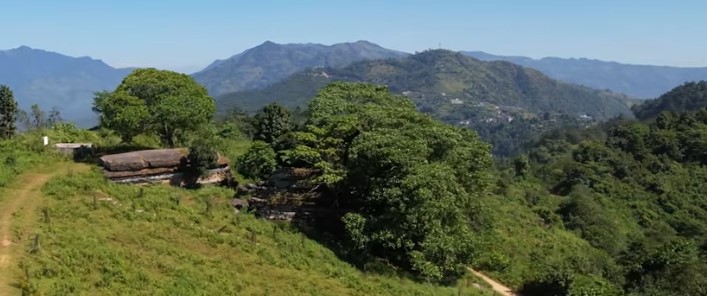
These traces make Jantedhunga more than a name on a map. The stones recall the people. The damaha recalls their presence. The cave recalls the night when Golpahang watched Fengma. The landscape keeps the story close to the people who continue to remember it.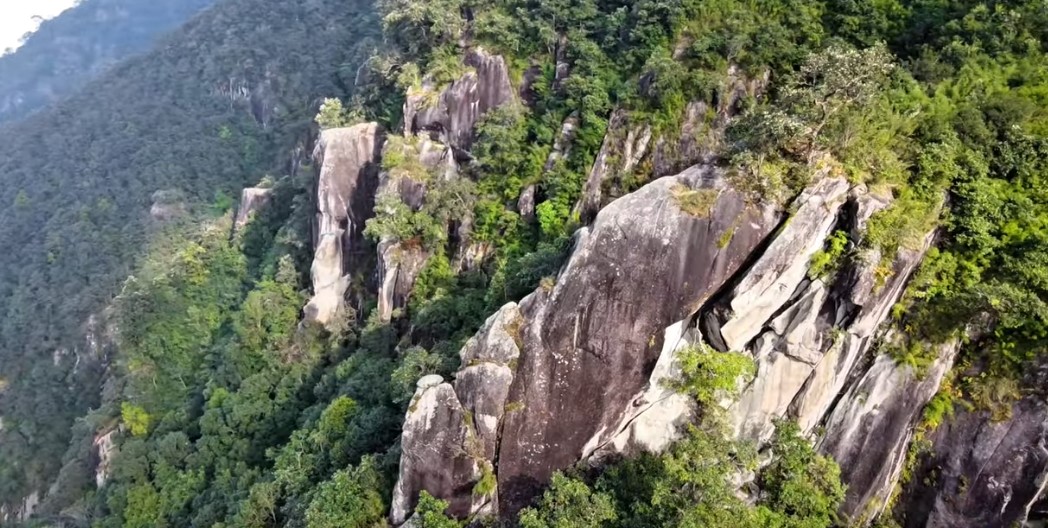 Figure 4. Golma King and Queen site, Ramprasad Rai Rural Municipality, Bhojpur, Nepal. Photograph Source : https://www.youtube.com/watch?v=7F4m7iKLXbU&t=21s.
For the Puma community, Jantedhunga carries an even deeper meaning. It is regarded as an origin place and ancestral birthplace of the Puma people. The land is respected as ancestral territory and worshipped as sacred. According to Puma belief, their ancestors established their first hearthstone there and established their ancestral lineage in the pre-modern period.
Jantedhunga also holds an essential place in every Mundum performance. During the ritual journey, the Mʌngpa must spiritually rest at this sacred place. There, the Mʌngpa invokes the ancestral gods and begs for their power, protection, and prosperity. This obligatory spiritual pause connects the ritual journey with ancestral presence and renews the Mʌngpa’s strength for the continuation of the performance.
Jantedhunga also opens onto a wide and striking landscape. From its elevated position, the eastern Himalayan ranges toward Sikkim can be seen. To the north lies the horizon toward Sagarmatha. The western Himalayan ranges toward Dolakha Nepal and the southern plains toward Bihar, India, can also be seen. The sacred landscape is therefore also a place of remarkable natural beauty and a destination that attracts visitors.
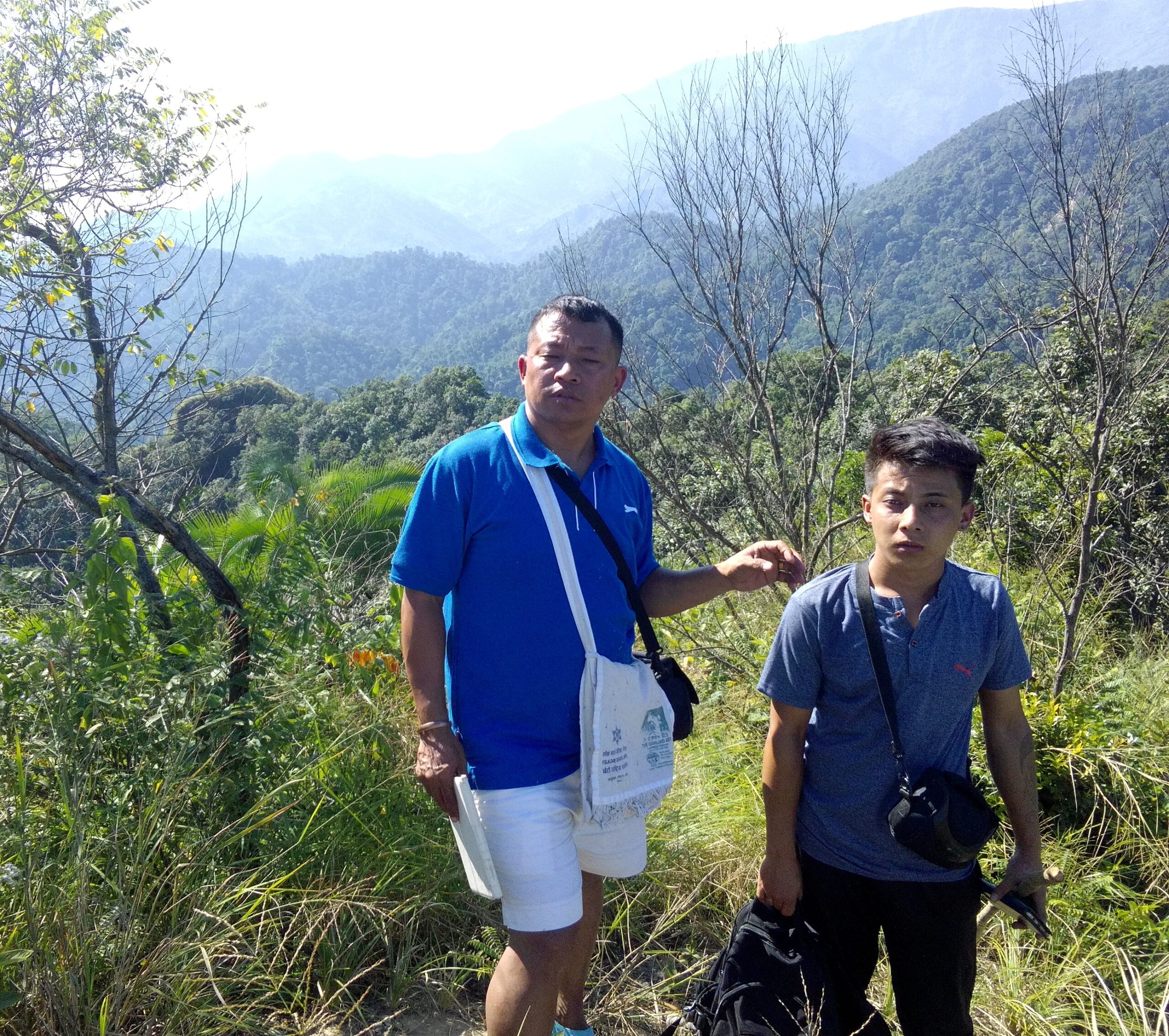
Bhanumati is another important part of this sacred place. It is remembered as the place where Fengma stayed alone during the night. A moon-shaped stone marks the site. According to local understanding, the root of the Patle tree covers the moon-shaped stone during the new moon and the full moon. Water now emerges from the same place.
Exif_JPEG_420
The place also remains connected with human hopes. According to the Mundum, a woman without children may bathe there and purify herself according to customary practice. She then lights incense and lamps and carries them to Jantedhunga. There, she prays for a child. It is believed that such a prayer may be fulfilled.
In this way, Jantedhunga links the ancestral past with the hopes of people living today. The old story continues because people still come to the place, perform rituals, pray, and seek blessings. The myth is not only remembered. It continues to be lived.
The sacred landscape extends to two caves on the northern side of Jantedhunga. Hot air comes from one cave, while cold air comes from the other. On the full-moon days of Vaishakhe Purne and Mangsire Purne, the Puma community worships at Jantedhunga according to the Mundum. The ceremonial lingo is replaced. Phagu and Sakenwa Sili are performed. A grand festival takes place.
Thus, Jantedhunga remains a living sacred landscape. Its meaning lives in the relationship among myth, place, ancestry, memory, ritual, and community. The ancestral story gives meaning to the land, while the land keeps the story alive. For the Puma people, Jantedhunga is both a place of origin and a place of continuing performance. It is also known as Dabyalung and Dagmilung.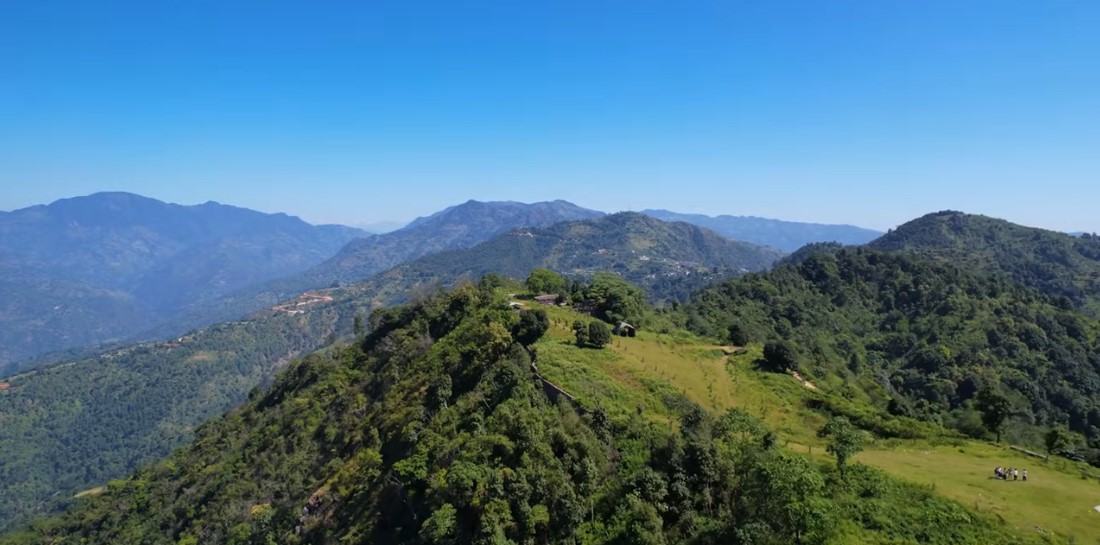 Figure 6.Photograph Source : https://www.youtube.com/watch?v=bcBd0dvZHF4&t=1207s